
Existing conditions complicate the work
Additions involve tie-ins, access, sequence, and framing details that need to be thought through early.
Added space
Frame Platinum LLC supports addition projects with framing-first carpentry, tie-in planning, and practical build coordination in Salt Lake County and the Wasatch Front.
Service focus
Additions demand framing discipline because the new work has to connect cleanly to what’s already there. We help homeowners and builders get addition framing and carpentry right from the start.
Addition support with framing-first planning and practical construction coordination.
Buyer problems
Additions involve tie-ins, access, sequence, and framing details that need to be thought through early.
Poor framing creates problems for every finish trade that follows.
Outcomes
A stronger, cleaner start for the added space.
We help define exactly what’s needed before the build moves forward.
Photo proof
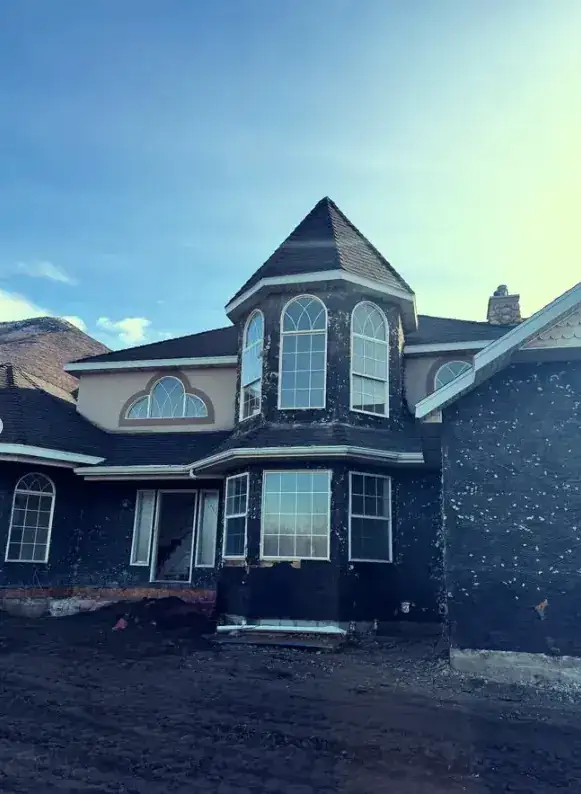
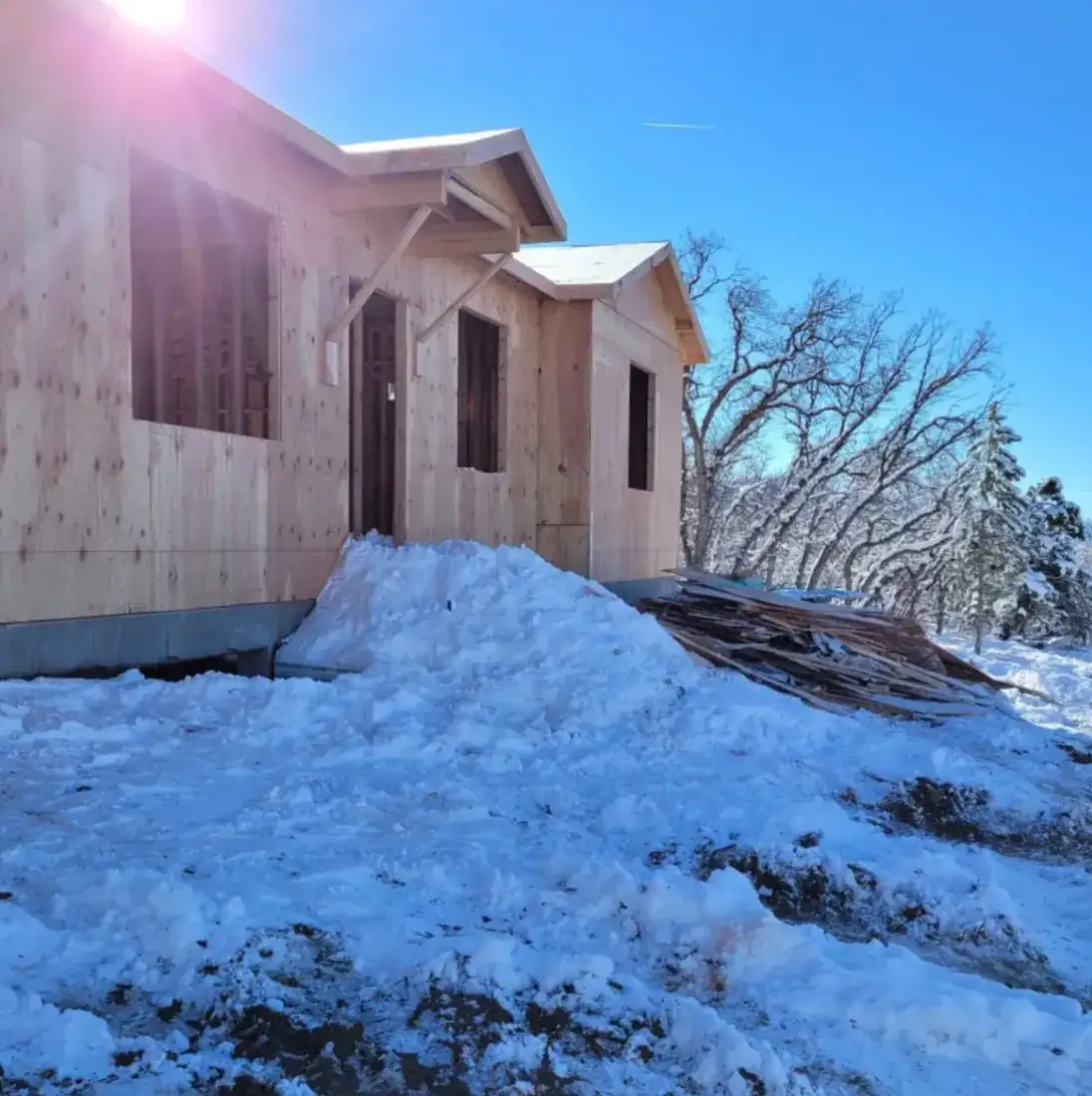
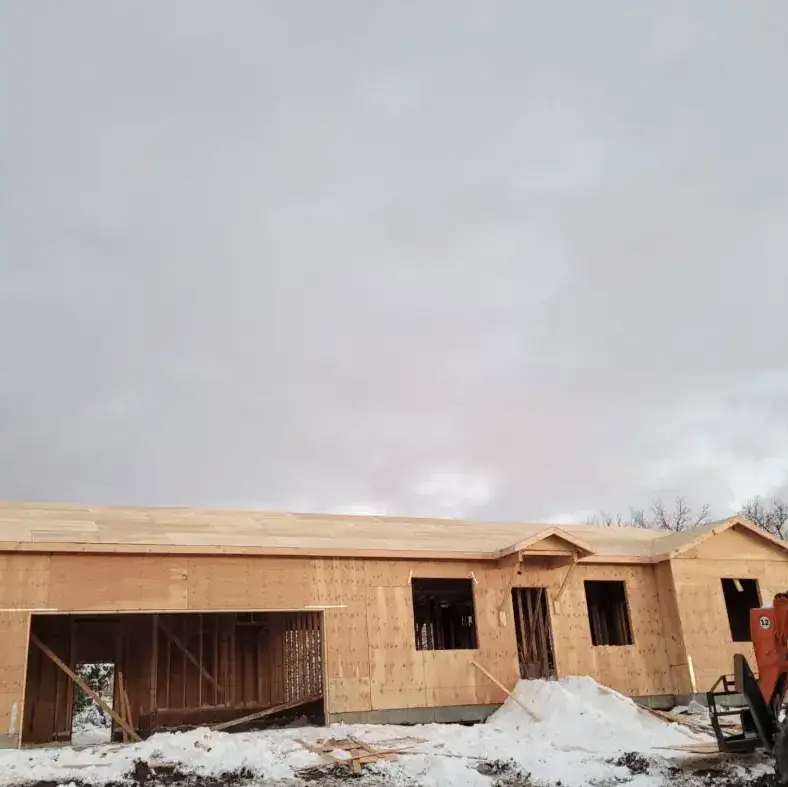
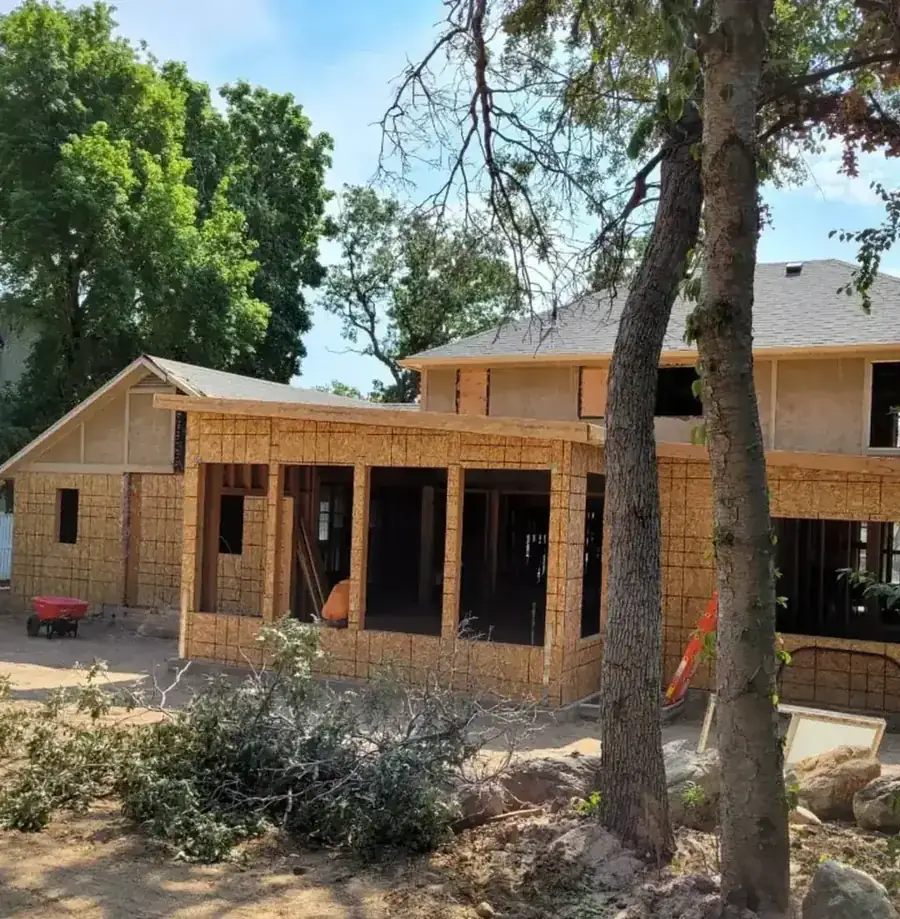
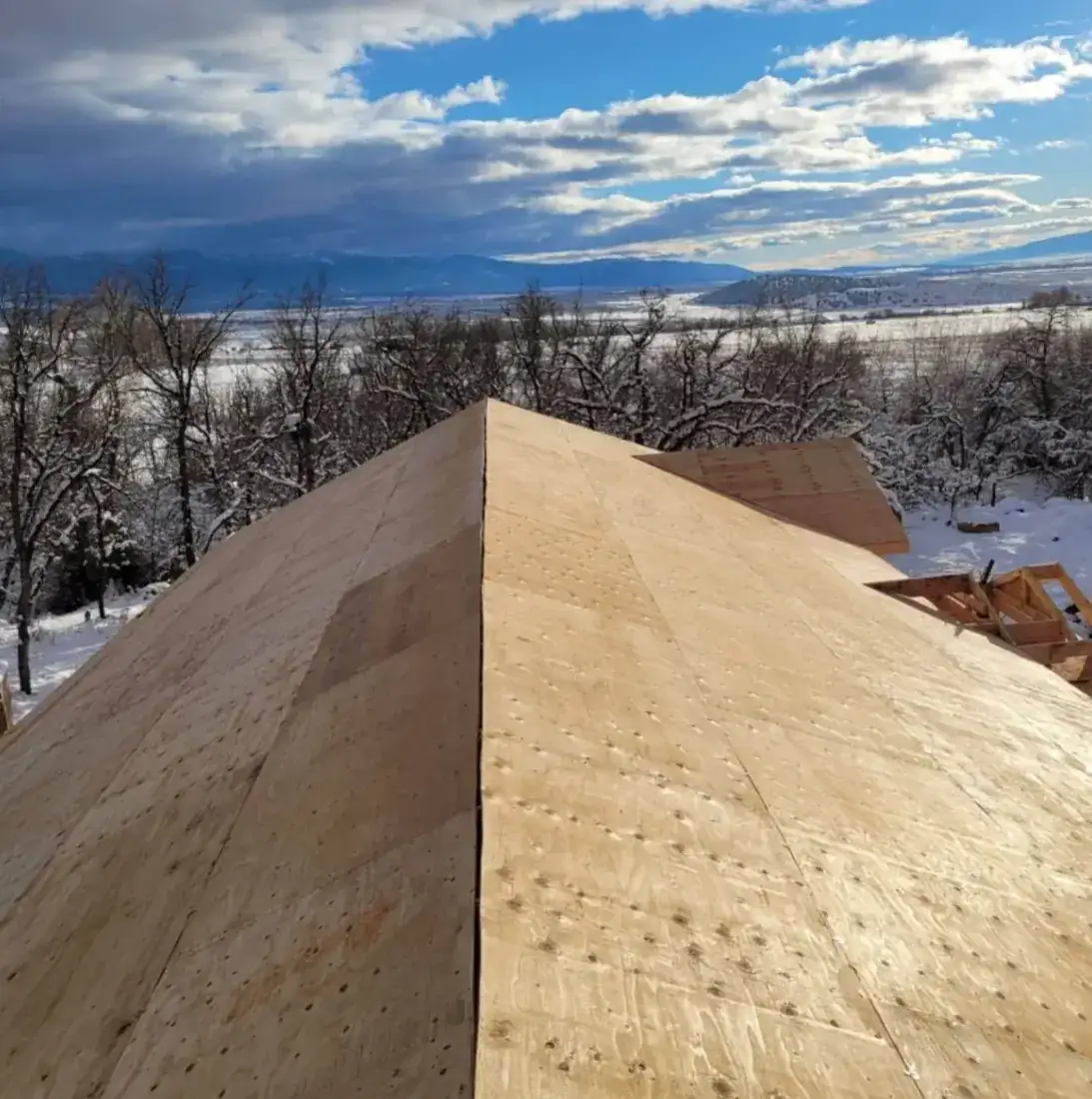
A look at the addition framing and exterior carpentry we’ve built.
Process
Send the project basics and we'll personally follow up to plan the next step, including any site walk.
Send your name, phone, email, and a quick note about the project. We can sort out photos, the address, and timing once we connect.
We review the project type, access, rough size, materials, and timeline, and figure out together whether a site walk makes sense before pricing.
Once the scope is clear, we lay out a practical plan for structure, finish expectations, sequencing, and any other trades that need to be coordinated.
Every job gets the same framing-first attention: solid layout, real strength, clean fit, and finish work that holds up to Utah weather.
Related services
Most projects overlap with at least one related service. Explore the others below.
Estimate request
Just your name, phone, email, and optional project details. We'll handle scheduling and address details once we connect.
Request Estimate
Send the basics about the added space or framing support you need.
Questions
We focus on framing and carpentry support for additions. Send us the scope first so we can talk through fit, coordination, and next steps.
If the work is mainly the structure for added space, start with either page — we’ll sort out the right next step once we connect.
Yes, we can plan those together when they’re part of the same project.
Estimate request
Send the basic project details and we’ll follow up about fit and next steps.